
3D Printers
3D printing is one of the most useful “learn by doing” hobbies you can start at home. The first day can feel confusing (settings, levelling, filament types), but once you understand the basics, you’ll be able to print practical parts, prototypes, repairs, and fun projects with confidence.




Frequently Asked Questions
All about 3D Printers
What is a 3D printer?
A 3D printer is a machine that creates physical objects by building them layer by layer from a digital design file. Instead of cutting material away like traditional manufacturing, 3D printing adds material gradually to form the final shape.
3D printers are commonly used for prototyping, hobby projects, engineering parts, educational purposes and even customised household items.
How does a 3D printer work?
A 3D printer works by reading a digital 3D model file and slicing it into many thin layers. The printer then deposits or solidifies material layer by layer until the object is fully formed.
Most consumer printers melt plastic filament and extrude it through a heated nozzle, carefully building the object one layer at a time.
What can you make with a 3D printer?
3D printers can produce a wide variety of objects including tools, replacement parts, toys, decorative items, phone stands, mechanical components and prototypes.
Many people also use them for custom projects such as model making, robotics parts or household gadgets.
What materials do 3D printers use?
Most home 3D printers use plastic filament materials such as PLA, ABS or PETG. These plastics are melted and deposited layer by layer to form the object.
More advanced printers can also use materials such as resin, nylon, carbon fibre reinforced plastics or even metal in industrial machines.
What is PLA filament?
PLA is one of the most common materials used in 3D printing. It is a biodegradable plastic derived from renewable resources such as corn starch.
PLA is popular because it is easy to print with, produces minimal warping and works well for many general purpose projects.
What is the difference between filament and resin printers?
Filament printers, also called FDM printers, melt plastic filament and extrude it through a nozzle to build objects layer by layer.
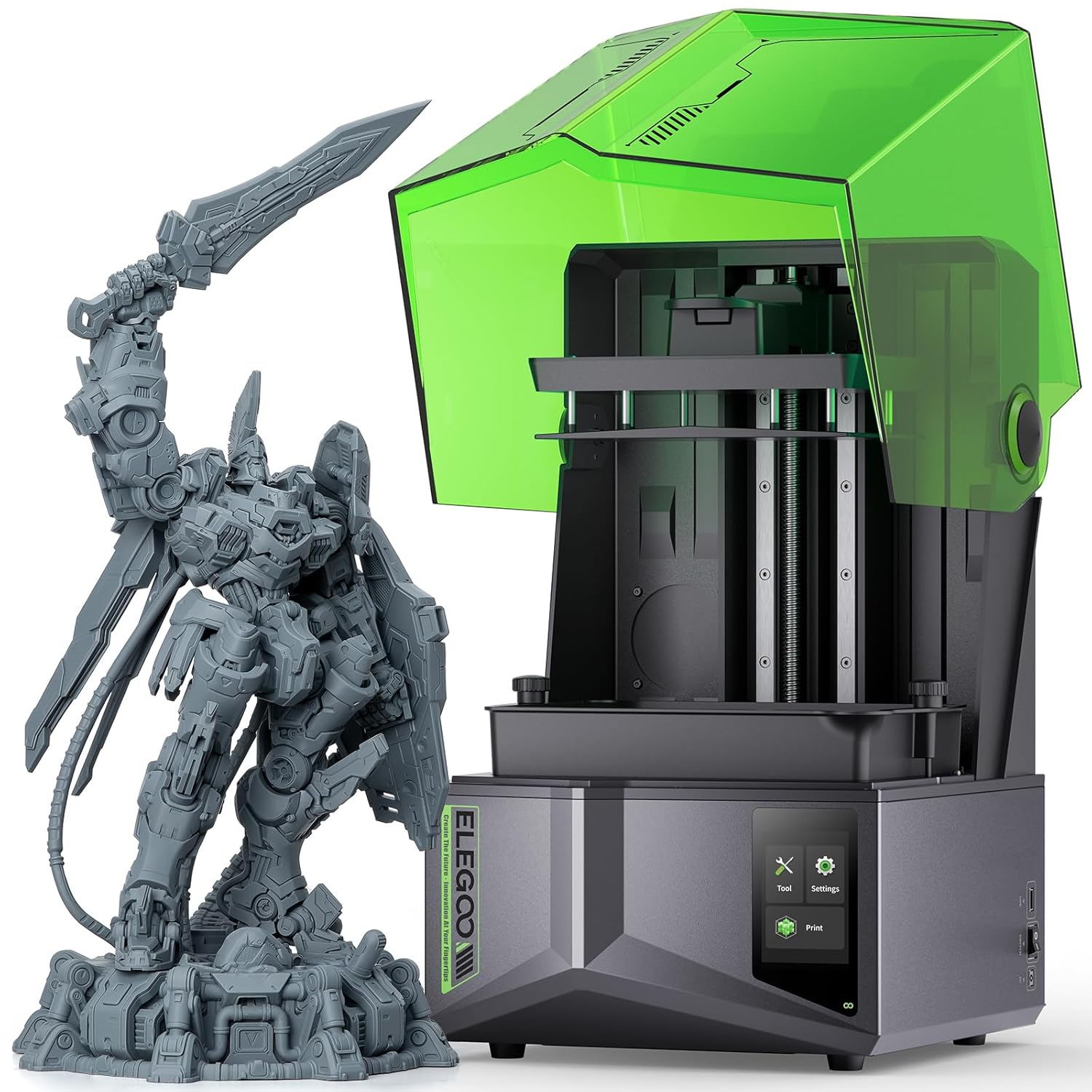
Resin printers use liquid photopolymer resin that is hardened with ultraviolet light. Resin printers can produce very detailed models but usually require more post processing.
Do you need special software to use a 3D printer?
Yes, 3D printers require software to convert a 3D model into instructions the printer can understand. This process is called slicing.
Slicing software prepares the model and generates the layer-by-layer instructions used during printing.
Where can I get 3D models to print?
Many websites offer free or paid 3D models that can be downloaded and printed. Popular platforms host thousands of designs created by hobbyists and professionals.
You can also design your own models using 3D modelling software if you want to create something unique.
How long does a 3D print take?
The time required for a 3D print depends on the size, complexity and print settings of the model. Small objects may take less than an hour while larger prints can take many hours or even days.
Factors such as layer height, printing speed and infill density can all affect printing time.
Are 3D printers difficult to use?
Modern consumer 3D printers are designed to be much easier to use than earlier models. Many now include automatic bed levelling and user friendly software.
Beginners may still need to learn basic setup, calibration and troubleshooting, but most people can learn the basics quickly.
How much does a 3D printer cost?
Entry level 3D printers can cost a few hundred pounds while more advanced hobby or professional machines can cost significantly more.
The price usually depends on features such as build size, printing speed, reliability and print quality.
What is build volume in a 3D printer?
Build volume refers to the maximum size of object that a 3D printer can produce. It is usually measured as width, depth and height in millimetres.
Larger build volumes allow you to print bigger objects or multiple smaller parts at the same time.
What is layer height in 3D printing?
Layer height refers to the thickness of each printed layer. Smaller layer heights produce smoother surfaces and finer detail.
However thinner layers also increase print time because the printer must create more layers.
What is infill in 3D printing?
Infill is the internal structure inside a 3D printed object. Instead of printing solid plastic throughout, printers usually create a patterned structure inside the object.
This saves material and reduces printing time while still maintaining strength.
Do 3D printers need maintenance?
Yes, occasional maintenance helps keep a 3D printer running reliably. This may include cleaning the print bed, checking belts and lubricating moving parts.
Keeping the nozzle clean and properly calibrated is also important for consistent print quality.
Are 3D printers safe to use at home?
Most modern 3D printers are safe when used according to the manufacturer instructions. They contain heated components so basic precautions should be followed.
Good ventilation is recommended, especially when printing certain materials that may produce fumes.
Can a 3D printer print metal?
Some specialised industrial 3D printers can print metal using advanced techniques such as laser sintering or metal powder fusion.
However most consumer home printers are designed to print plastic materials rather than metal.
What is bed levelling in 3D printing?
Bed levelling ensures the printer build surface is perfectly aligned with the nozzle. This is important because the first layer must adhere properly for the print to succeed.
Many modern printers include automatic bed levelling systems to simplify this process.
What are supports in 3D printing?
Supports are temporary structures printed underneath overhanging parts of a model. They prevent sections of the print from collapsing while the object is being built.
After printing, the supports are usually removed during post processing.
Is 3D printing expensive?
Once you own a printer the cost of printing individual objects is usually quite low. Filament materials are relatively inexpensive and a single spool can produce many items.
The overall cost depends on the size of the prints and the materials used.