
The Evolution of Consumer Drones: From Hobby Kits to 4K Cameras
Introduction

Consumer drones have moved from niche hobby kits to compact flying cameras that almost anyone can use. What once required soldering, specialist radio gear and plenty of patience can now fit in a small shoulder bag and capture smooth aerial video within minutes.
This light history guide looks at how consumer drones evolved, why camera technology changed the market, and where the category may go next.
The early hobby years
Before drones became mainstream gadgets, most small flying machines were hobby projects. Enthusiasts built quadcopters from frames, motors, flight controllers and radio transmitters. They were exciting, but they were not especially beginner-friendly.
Flying required practice, crashes were common, and repairs were part of the hobby. Early models had limited stabilisation, short battery life and little automation.
Stabilisation changed everything
The big breakthrough was reliable electronic stabilisation. Gyroscopes, accelerometers and smarter flight controllers made drones easier to keep level. Instead of constantly fighting the controls, pilots could hover more confidently and focus on movement.
This made drones more accessible to beginners and opened the door for camera use. Stable flight is essential for smooth footage.
The rise of camera drones
Once small cameras improved, drones became flying photography tools. Early camera drones often produced shaky or low-resolution footage, but the appeal was obvious. Aerial video that once required helicopters or cranes became available to consumers.
Gimbals then improved footage dramatically by stabilising the camera independently from the drone body. This made sweeping landscape shots, property videos and travel footage much easier to capture.
GPS and return-to-home
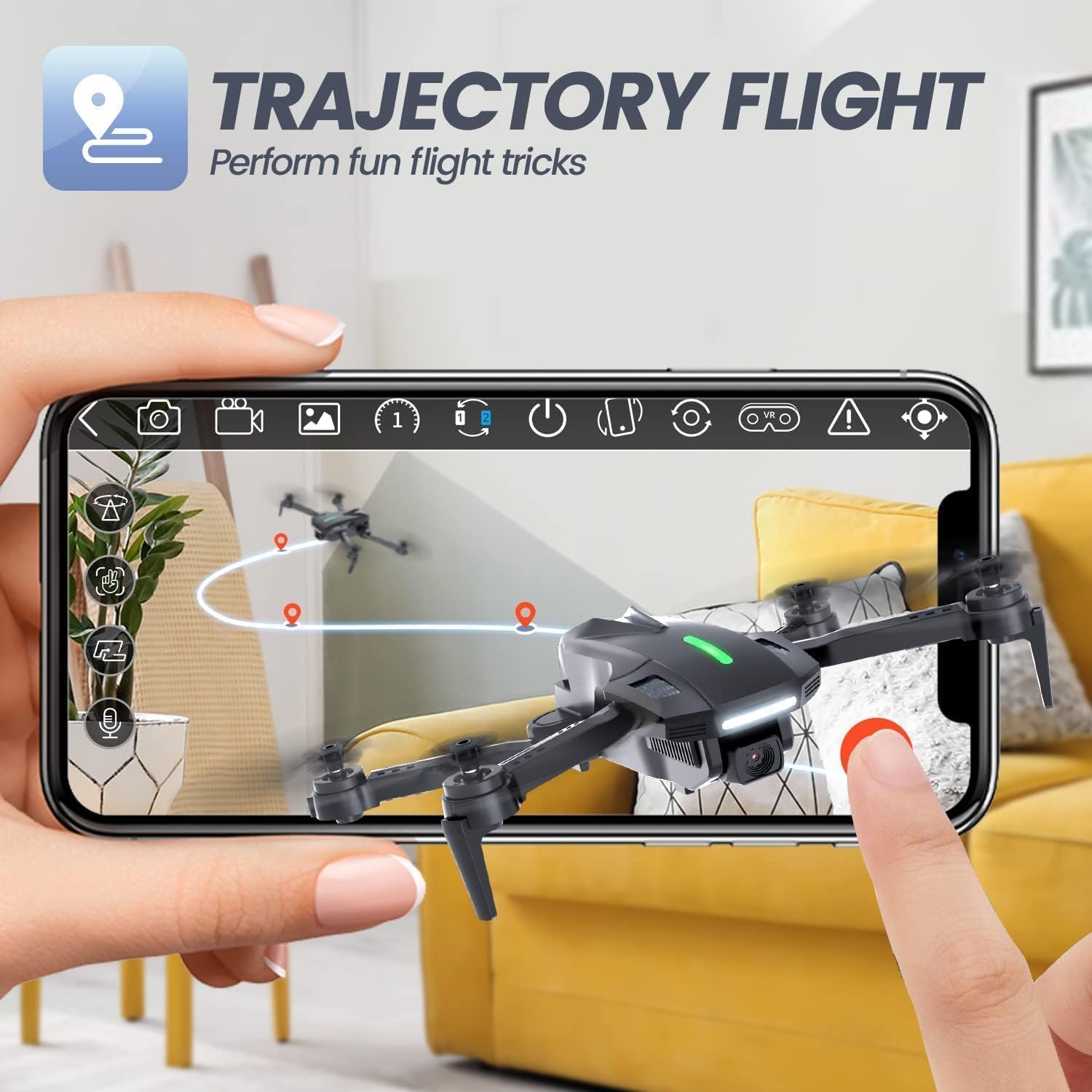
GPS made consumer drones feel much safer and more predictable. Position hold allowed drones to hover steadily, while return-to-home features reduced the risk of losing a drone when signal dropped or battery ran low.
These features helped move drones from expert hobby tools to consumer electronics. They also made flying less intimidating for new users.
Compact folding designs
Folding drones helped make the category practical. Instead of bulky cases, users could pack a drone into a small bag for holidays, hikes or day trips. Portability became one of the main selling points.
Smaller models also made casual flying more appealing, though users still need to follow local rules and fly responsibly.
Better batteries and smarter power management
Battery life has always been one of the biggest drone limitations. Early flights could feel very short. Modern batteries still require planning, but flight times have improved enough to make real filming sessions easier.
Smart batteries also report charge levels, estimate remaining flight time and help trigger safety warnings before power runs too low.
Obstacle sensing and safer flying
Obstacle sensors added another layer of confidence. Forward, backward, downward and sideways sensing can help drones avoid crashes, although no system is perfect.
These features are especially helpful for beginners, but they should not replace careful flying. Thin branches, wires and reflective surfaces can still cause problems.
From flying toy to creative tool
Consumer drones now sit between gadgets, cameras and creative tools. They are used for travel videos, landscape photography, inspections, social content and family memories.
The broader photography and drones category reflects this shift. Many buyers now compare drones in the same way they compare cameras, looking at sensor size, video quality, stabilisation and intelligent shooting modes.
Rules became part of ownership
As drones became popular, regulations became more important. Registration, weight classes, restricted areas and privacy expectations now shape how drones are used. A modern drone buyer needs to understand both the product and the responsibilities that come with flying it.
This has made beginner-friendly education, geofencing and app guidance more important parts of the experience.
Modern consumer drones
Today, many consumer drones offer high-resolution video, automated tracking, panorama modes, quick shots, subject following and stable hovering. Some are built for creators, some for beginners and some for racing or indoor fun.
The best models make flying feel simple, but the technology underneath is sophisticated: sensors, software, motors, batteries and cameras working together in real time.
Future trends
Future consumer drones are likely to become quieter, safer and smarter. Expect better obstacle detection, improved subject tracking, longer battery life and more compact designs. AI-assisted filming may help users capture polished shots without learning complex camera movements.
At the same time, regulation and safety will continue to shape the market. The most successful future drones will not only fly well; they will help users fly responsibly.
Final thoughts
The evolution of consumer drones is really the story of difficult technology becoming accessible. From home-built hobby aircraft to pocket-sized camera drones, the category has become one of the most exciting areas of consumer tech.
Mini drones and beginner models
Mini drones became important because they lowered the barrier to entry. Smaller aircraft are easier to carry, less intimidating to fly and often cheaper to replace if something goes wrong. They also helped casual users practise flight control before investing in larger camera drones.
Some modern mini drones are surprisingly capable, with stabilised cameras, intelligent flight modes and strong battery life for their size. This has made drones more accessible to travellers, families and creators who do not want heavy equipment.
Racing and first-person-view drones
Not all consumer drones evolved toward smooth camera footage. Racing and first-person-view drones developed their own culture around speed, agility and immersive control. These drones often prioritise responsiveness over automated safety features.
FPV flying shows another side of the category: drones as sport and experience rather than simply aerial cameras. It also demonstrates why different buyers need different designs. A stable camera drone and a racing drone may both have four propellers, but they serve very different purposes.
Why software became as important as hardware
Modern drones rely heavily on software. Automated return-to-home, subject tracking, panorama capture, quick-shot modes, geofencing and battery warnings all depend on intelligent systems. This software layer is what makes advanced flying feel simple.
For buyers, this means app quality and firmware support matter. A drone is not just motors and a camera; it is a complete flying platform that needs reliable updates and clear controls.
Buying lessons from the drone timeline
The history of consumer drones teaches one useful lesson: usability matters as much as raw specifications. The models that changed the market were not only powerful; they made aerial photography easier, safer and more portable.