
Common Pet Wearable Buying Mistakes and How to Avoid Them
Introduction
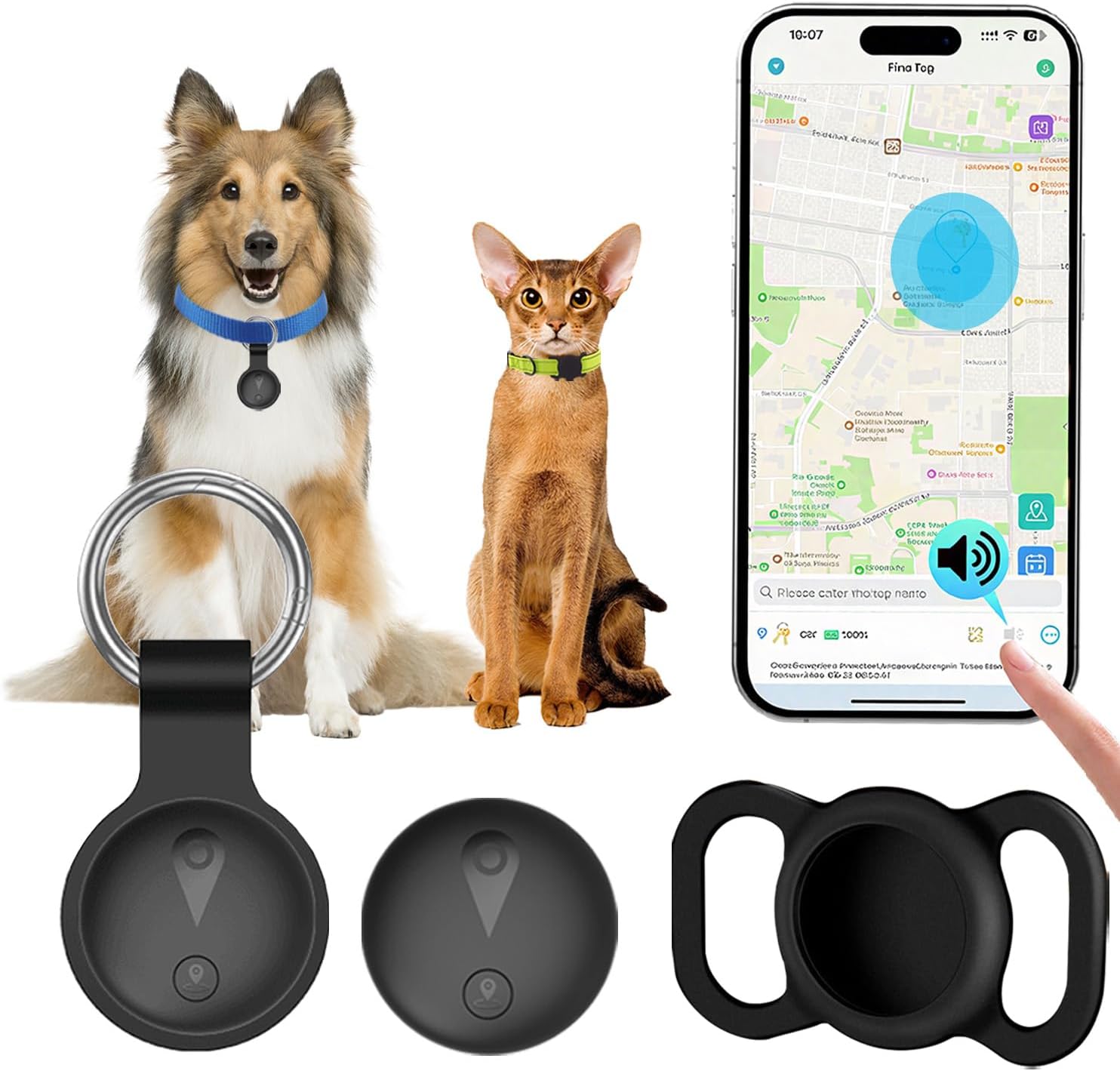
Pet wearables can be genuinely useful. GPS trackers, activity monitors and smart collars can help owners understand movement, location and habits. But buying the wrong wearable can waste money or create frustration for both pet and owner.
This guide explains common mistakes to avoid when choosing pet wearables, including wrong device type, subscription surprises, poor fit and unrealistic expectations.
Mistake 1: Choosing the wrong type of device
Not every pet wearable does the same job. Some focus on GPS location, others on activity tracking, health trends or training support. A device designed to count movement may not help you find a lost dog, while a GPS tracker may offer limited health insights.
Start with the problem you want to solve. If your pet escapes, prioritise location tracking. If you want to monitor exercise, focus on activity data. If your pet has health concerns, look for trend tracking and shareable reports.
Mistake 2: Ignoring subscription costs
Many GPS pet trackers need a mobile data connection, which often means a monthly or annual subscription. Buyers sometimes focus on the upfront device price and miss the long-term cost.
Before buying, check subscription fees, contract terms, roaming support and what happens if you cancel. A cheap tracker with a high subscription may cost more than a premium model over time.
Mistake 3: Buying a device that does not fit properly
Fit is critical. A bulky tracker may annoy a small cat, while a loose collar attachment can swing, rub or fall off. Poor fit can also affect sensor accuracy.
Check size, weight and collar compatibility before buying. For small pets, every gram matters. For active dogs, secure attachment and water resistance are important.
Mistake 4: Overlooking battery life
Battery life varies widely. GPS tracking uses more power than simple activity monitoring. A tracker that needs charging every day may become inconvenient, especially if your pet spends time outdoors.
Think about your routine. If you travel, work shifts or have an adventurous dog, longer battery life may be more important than extra app features.
Mistake 5: Expecting perfect GPS accuracy
GPS pet trackers can be very useful, but they are not magic. Accuracy can be affected by buildings, trees, weather and mobile signal. Indoor tracking is often less precise than outdoor tracking.
Use GPS as a helpful safety tool, not a guarantee. A secure garden, good recall training and visible ID tags still matter.
Mistake 6: Forgetting water and durability

Pets get wet, muddy and rough with their gear. A wearable that works well indoors may not survive rain, puddles or chewing. Look for water resistance, strong clips and tough casing.
Durability matters more for dogs that swim, roll or run through woodland. Indoor cats may need less rugged hardware but still need comfort and safe materials.
Mistake 7: Not checking app usability
The wearable is only half the product. The app controls alerts, maps, activity summaries and settings. A poor app can make a good device frustrating.
Check whether the app allows useful notifications, multiple users and clear history. If several family members care for the pet, shared access can be valuable.
Mistake 8: Misreading health data
Activity and behaviour trends can be useful, but they are not veterinary diagnoses. A drop in activity may suggest discomfort, tiredness or routine changes, but it should not be interpreted in isolation.
Use wearable data as a prompt for observation. If something looks worrying, speak to a vet rather than relying on app scores alone.
Mistake 9: Ignoring your pet's personality
Some pets tolerate wearables easily. Others dislike anything attached to a collar. A nervous cat or small dog may need a gradual introduction.
Let your pet wear the device for short periods at first. Watch for scratching, rubbing or changed behaviour. Comfort is not optional.
Mistake 10: Buying more features than you need
Premium pet wearables may include live tracking, virtual fences, activity goals, sleep monitoring and alerts. These features can be excellent, but only if you use them.
For a calm indoor pet, a complex GPS subscription may be unnecessary. For an escape-prone dog, it may be worth every penny.
Final checklist
- Decide whether you need GPS, activity tracking or health trend monitoring.
- Check subscription costs before buying.
- Match size and weight to your pet.
- Prioritise battery life for outdoor pets.
- Check water resistance and durability.
- Review app features and shared access.
- Introduce the device gradually.
The best pet wearable is not the most complicated one. It is the one your pet will comfortably wear and that gives you information you genuinely use.
Mistake 11: Forgetting escape behaviour
Some pets are occasional wanderers, while others are determined escape artists. A basic activity tracker may be fine for a calm indoor pet, but an escape-prone dog needs fast alerts, reliable live tracking and a secure attachment. The more serious the risk, the more important real-time location features become.
Think about actual behaviour rather than ideal behaviour. If your pet has already slipped a lead, jumped a fence or disappeared into woodland, location reliability should outrank style and novelty features.
Mistake 12: Not checking coverage
GPS trackers often depend on mobile networks. A tracker can have excellent features and still perform poorly in areas with weak signal. Rural owners should check network support and coverage expectations before buying.
If you travel with your pet, also check whether the subscription works in the areas you visit. A tracker that works near home but not on holidays may not meet your needs.
Mistake 13: Ignoring collar safety
Pet wearables should not compromise safety. Cats may need breakaway collars, while dogs need secure but comfortable fittings. A heavy device on a weak attachment can become annoying or unsafe.
Check how the tracker attaches, whether it can snag and whether the collar remains appropriate for your pet’s size and activity. Safety should come before extra features.
Practical solution: test before relying on it
After buying a wearable, test it in controlled conditions. Walk around the block, check location updates, try alerts and monitor battery drain. Do not wait until a pet is missing to learn how the app behaves.