
Robot Mower Buying Guide
How to Choose the Right Robotic Lawn Mower
Robot mowers have moved from futuristic novelty to practical garden essential. If you’re tired of pushing a heavy mower around at the weekend, a robotic lawn mower can quietly cut your grass for you, keep it looking freshly trimmed, and even return itself to the charging dock when it’s done. But the market is crowded, the specs can be confusing, and prices range from budget to premium.
This long-form guide walks you through everything you need to know before buying a robot mower: how they work, which features matter, what you can expect at different price points, and how to match a model to your garden, lifestyle, and budget.
How Robot Mowers Work
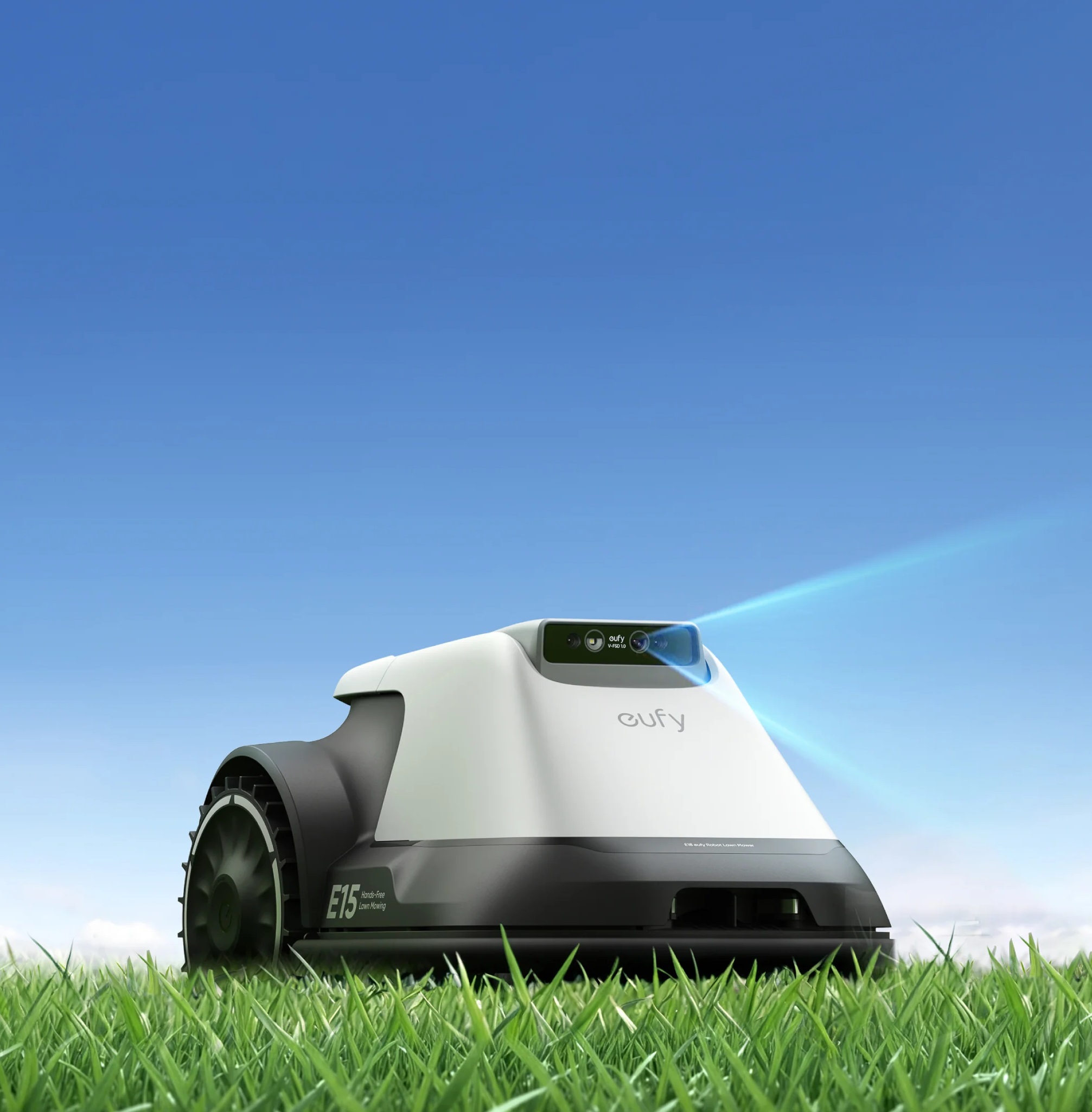
A robot mower is essentially an autonomous lawn mower that lives in your garden. It runs on a rechargeable battery, uses sensors and boundary detection to stay within your lawn, and cuts the grass regularly in small increments rather than in one big weekly session. The result is a lawn that always looks freshly cut, with fine clippings that act as natural fertiliser.
Most models follow a similar basic setup:
- Charging station: A base that stays connected to mains power. The mower returns here automatically to recharge.
- Boundary system: Usually a perimeter wire laid around the edge of your lawn and around obstacles, or in newer models, virtual boundaries using GPS or camera-based mapping.
- Cutting system: Small, fast-spinning blades that trim the grass a few millimetres at a time.
- Navigation: Random or systematic patterns, guided by sensors, boundary detection, and sometimes GPS.
Instead of collecting grass in a bag, robot mowers mulch the clippings back into the lawn. Because they cut frequently, the clippings are tiny and break down quickly, improving soil health and reducing the need for fertiliser.
Is a Robot Mower Right for You?
Before diving into specs and models, it’s worth asking whether a robot mower fits your garden and lifestyle. They’re brilliant for some people and less ideal for others.
Great reasons to choose a robot mower
- You want a consistently neat lawn: Robot mowers cut little and often, so your grass rarely looks overgrown.
- You’re short on time: Once installed and programmed, they require minimal intervention.
- You prefer low physical effort: No more pushing a heavy mower or dealing with petrol and pull-starts.
- You like quiet operation: Most robot mowers are much quieter than petrol mowers and can run early or late without disturbing neighbours.
When a robot mower might not be ideal
- Very small lawns: For tiny patches of grass, a simple corded or cordless mower may be cheaper and easier.
- Extremely uneven or overgrown gardens: Robot mowers prefer reasonably level lawns and regular maintenance.
- Lots of clutter: Toys, hoses, and garden furniture left out can interfere with mowing and require frequent tidying.
If your lawn is of moderate size, reasonably open, and you’re happy to do a one-time setup, a robot mower can be a genuine game-changer.
Key Factors to Consider
Robot mowers vary widely in capability. The right choice depends on your lawn size, layout, budget, and how hands-off you want the experience to be. These are the most important factors to compare.
Lawn Size and Capacity
Every robot mower is rated for a maximum lawn area, usually expressed in square metres. This is one of the first specs you should check.
- Small lawns: Up to around 300-400 m². Compact, affordable models are usually sufficient.
- Medium lawns: Around 400-800 m². You’ll want a mower with a stronger battery and more robust navigation.
- Large lawns: 800-2,000 m² or more. Look for higher-end models with longer runtimes, faster charging, and better terrain handling.
It’s wise to choose a mower rated for slightly more than your actual lawn size. This gives you a buffer for complex layouts, slopes, and future garden changes.
Lawn Shape, Complexity, and Zones
Not all lawns are simple rectangles. Many gardens have narrow passages, separate areas, trees, flowerbeds, and obstacles. Robot mowers handle complexity differently.
- Simple, open lawns: Most models will cope well.
- Multiple zones: Look for support for separate mowing areas or “secondary zones” that the mower can reach via a guide wire or manual placement.
- Narrow passages: Check the mower’s minimum passage width and whether it has specific features for corridor navigation.
- Obstacles: Trees, ponds, and beds can be managed with boundary wire or, on some models, object detection sensors.
If your garden is complex, prioritise models with good zone management, smart navigation, and flexible boundary options.
Boundary System: Wire vs Wire-Free
Traditionally, robot mowers use a boundary wire that you lay around the edge of your lawn and around obstacles. Newer models may offer wire-free operation using GPS, cameras, or other positioning systems.
Boundary wire systems
- Pros: Proven, reliable, works in most gardens, widely available.
- Cons: Initial installation takes time; wire can be damaged by digging or pets.
Wire-free / virtual boundary systems
- Pros: No digging or pegging; easier to adjust lawn layout; cleaner look.
- Cons: Typically more expensive; may rely on strong outdoor WiFi or GPS signal or clear camera view; technology is newer.
For most buyers, a boundary wire system is still the most cost-effective and reliable option. If you hate the idea of laying wire or plan to redesign your garden frequently, a wire-free model may be worth the premium.
Cutting Performance and Blade Type
Robot mowers use different cutting systems, and this affects cut quality, safety, and maintenance.
- Pivoting razor blades: Small, lightweight blades mounted on a spinning disc. They’re quiet, energy-efficient, and safer if they hit an object, but they need replacing more often.
- Solid cutting blades: More like a traditional mower blade. They can handle tougher grass and debris but are heavier and may be noisier.
For most domestic lawns, pivoting blades are perfectly adequate and common on many popular models. Check the cutting width too: a wider deck means fewer passes, which can be helpful on larger lawns.
Battery Life, Charging, and Mowing Time
Robot mowers don’t cut the whole lawn in one go; they work in sessions, returning to the dock to recharge as needed. Still, battery capacity and charging speed matter.
- Runtime per charge: Indicates how long the mower can cut before needing to recharge.
- Charging time: Shorter charging times mean the mower can cover more ground in a day.
- Overall capacity: A mower with a higher area rating will be designed to handle more mowing hours per day.
If you want your lawn maintained quickly or have a large area, look for models with longer runtimes and faster charging. For smaller lawns, almost any modern robot mower will have enough capacity.
Slopes and Terrain Handling
Gardens are rarely perfectly flat. Check the maximum slope (often given as a percentage or degrees) that the mower can handle.
- Gentle slopes: Most mowers can handle up to around 25-30% (about 14-17°).
- Steeper slopes: Some premium models can manage 35-45% or more.
Also consider:
- Wheel design and grip: Deep treads help on wet grass and slopes.
- Ground clearance: Important if your lawn has bumps, roots, or uneven patches.
If your garden is hilly or uneven, slope capability should be a top priority.
Smart Features and App Control
Many robot mowers now come with smartphone apps and smart-home integration. These features don’t directly affect cut quality, but they can make ownership more convenient and flexible.
- App control: Start, stop, schedule, and adjust settings from your phone.
- Mapping and zone control: View where the mower has been and define specific areas or no-go zones.
- Smart-home integration: Voice control via assistants, or automation with other devices.
- Over-the-air updates: Firmware updates that can improve performance or add features over time.
If you like the idea of fine-tuning schedules, monitoring progress, or integrating with a smart garden setup, choose a model with robust app support.
Noise Levels
One of the big advantages of robot mowers is how quiet they are compared to petrol mowers. Still, noise levels vary between models.
If you plan to run the mower early in the morning, late in the evening, or in a tightly packed neighbourhood, look for a model with low decibel ratings. Most consumer robot mowers are quiet enough not to disturb neighbours, but quieter models can give extra peace of mind.
Security and Safety Features
Robot mowers are valuable pieces of kit that live outdoors, so security and safety features matter.
- PIN code / anti-theft: Many models require a PIN to operate and may lock if removed from the garden.
- GPS tracking: Some higher-end models offer GPS tracking if the mower is stolen.
- Lift and tilt sensors: Automatically stop the blades if the mower is lifted or tipped.
- Collision sensors: Detect obstacles and change direction to avoid damage.
These features protect both the mower and anyone who might come into contact with it, especially children and pets.
Weather Resistance and Rain Handling
Robot mowers are designed to live outside and are generally weather-resistant. However, their behaviour in rain can differ.
- Rain sensors: Some models will return to the dock when it starts raining.
- All-weather mowing: Others are happy to mow in light rain, though wet grass can affect cut quality.
If your climate is wet, look for models with good weather sealing and consider whether you want the mower to pause in heavy rain or carry on regardless.
Price Ranges: What to Expect at Each Budget
Robot mowers span a wide price range. Here’s what you can typically expect at different budget levels.
Entry-Level Robot Mowers
These are usually the most affordable models, aimed at small to medium lawns with simple layouts.
- Typical lawn size: Up to around 300-500 m².
- Features: Boundary wire, basic scheduling, manual controls or simple app, limited smart features.
- Best for: Small gardens, first-time robot mower owners, straightforward lawns.
You may sacrifice advanced navigation, app sophistication, and slope handling, but for many users, these models are more than enough.
Mid-Range Robot Mowers
Mid-range models offer a strong balance of performance, features, and price.
- Typical lawn size: Around 500-1,000 m².
- Features: Better batteries, more powerful motors, improved navigation, app control, multiple zones, stronger security.
- Best for: Medium to large gardens, more complex layouts, users who want a more hands-off experience.
This is often the sweet spot for many households: enough capability to handle real-world gardens without the premium price tag of top-end models.
Premium and High-End Robot Mowers
At the top end, you’ll find models such as the Eufy E15 designed for large, complex lawns and users who want the most advanced features.
- Typical lawn size: 1,000 m² and above, sometimes several thousand square metres.
- Features: Advanced navigation (GPS, cameras, or RTK), wire-free boundaries on some models, detailed mapping, multi-zone management, strong slope handling, robust security, and rich app features.
- Best for: Large or complex gardens, steep slopes, users who value premium convenience and control.
If you have a big, intricate garden or simply want the most capable and future-proof option, this tier is worth considering.
Installation and Setup: What to Expect
One of the biggest perceived barriers to robot mowers is installation. In reality, it’s a one-time job that most people can handle with a free afternoon and a bit of patience.
Laying the boundary wire
For wired systems, you’ll lay the boundary wire around the edge of your lawn and around any obstacles you want to exclude. The wire is usually pegged to the surface initially; over time, the grass grows over it and it becomes almost invisible. Some users choose to bury it a few centimetres below the surface from the start.
Positioning the charging station
The charging dock needs a flat area with access to mains power and enough space in front for the mower to approach and dock. Ideally, it should be in a central or easily accessible part of the lawn.
Programming schedules and zones
Once the hardware is in place, you’ll set mowing schedules, cutting height, and any zone settings via the mower’s control panel or app. Many people start with conservative schedules and adjust over the first few weeks as they see how the mower performs.
Some brands also offer professional installation services if you’d rather not do it yourself.
Ongoing Maintenance and Running Costs
Robot mowers are low-maintenance compared to petrol mowers, but they’re not completely maintenance-free.
- Blade replacement: Small blades need replacing periodically, typically every few months depending on usage and lawn conditions.
- Cleaning: Grass clippings can build up under the deck and around the wheels. A quick brush or wipe-down every so often keeps things running smoothly.
- Battery lifespan: Batteries will gradually lose capacity over years of use. Replacements are usually available and can extend the life of the mower.
- Winter storage: In colder climates, many owners store the mower and charging station indoors over winter and switch it back on in spring.
Electricity costs are generally low, as robot mowers use modest power and spread their work over many hours rather than drawing heavily in short bursts.
How to Match a Robot Mower to Your Garden
With all the features and specs in mind, here’s a simple way to narrow down your options.
Step 1: Measure your lawn
Use an online map tool or pacing to estimate your lawn area in square metres. Include all the grass you want the mower to cover, even if it’s in separate zones.
Step 2: Assess complexity
Note how many separate areas you have, whether there are narrow passages, and how many obstacles need to be avoided. The more complex your garden, the more you’ll benefit from better navigation and zone management.
Step 3: Check slopes and surface
Identify any steep sections or uneven patches. If you have significant slopes, prioritise models with strong slope ratings and good traction.
Step 4: Decide on wired vs wire-free
If you’re happy to lay a boundary wire and want to keep costs down, a wired model is usually the best choice. If you want maximum flexibility and minimal installation, consider a wire-free system if your budget allows.
Step 5: Choose your feature level
Decide how important app control, mapping, smart-home integration, and advanced security are to you. If you just want the lawn cut and don’t care about fancy features, a simpler model may be perfect.
Step 6: Set a realistic budget
Balance your garden’s needs with what you’re willing to spend. For many households, a mid-range robot mower offers the best mix of capability and value. Larger or more complex gardens may justify a premium model.
Final Thoughts
A robot mower can transform how you care for your lawn, turning a regular chore into something that quietly happens in the background. The key to a good purchase is matching the mower’s capabilities to your garden’s size, shape, and complexity, and deciding how much convenience and smart control you want.
Start by understanding your lawn, then compare models based on area capacity, navigation, boundary system, slope handling, smart features, and price. Once installed, a good robot mower can keep your grass looking neat and healthy with minimal effort from you—freeing up your weekends for something more enjoyable than mowing.